Law Abiding Citizen
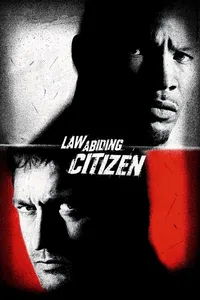
About a third of the way into “Law Abiding Citizen,” Jamie Foxx, a too-perfect Philadelphia prosecutor, cuts the cameras to the interview room and congratulates recently arrested, revenge-stoned Clyde Shelton on his remote murder of the two men who raped and killed Shelton’s wife and daughter 10 years previously.
“I have a little girl,” Prosecutor Nick says. “And what you did? Bravo. The world is better without Darby and Ames. You’re not gonna see a tear shed from me or anybody in my office. With that being said, I have a job to do.”
Will Vigilante Dad and Prosecutor Nick team up to do surgical strikes of justice — a commentary on a judicial system that sometimes has to let child-killers serve five years in jail because they flipped on their co-defendant and pleaded down to a third-degree murder charge? Will Vigilante Dad be able to get justice against scum who burst in to steal candlesticks and murder families while muttering things like “You can’t fight fate”?
No.
Prosecutor Nick proceeds to get totally huffy with Vigilante Dad and imposes zero tolerance on him. Equally as huffy, imprisoned Vigilante Dad turns into Serial Killer Dad and, because he has a philosophical disagreement about the plea-bargaining system, decides to kill anyone he can, including minor political figures, semi-sane fellow prisoners and rooms of freshly scrubbed interns and associates.
The rest of the movie devolves into nonsensical beat-the-clock subplots about Panamanian non-reciprocity corporate agreements that allow contractual subterfuge in the world of industrial real estate. (An improvement in logic over an earlier scene with an eye-rolling set-up where a shackled defendant is escorted out of the court in front of the media-courting prosecutor for a grin-and-grip about the deal they’ve struck — but still!)
The battle between good and evil is a deep well of plot material. But it doesn’t work when you try to frame that fight in terms of prosecuting attorney versus crime victim. The crime victim’s innocent body count ends up a dozen deep, destroying his credibility. Yes, the prosecutor wasn’t able to get Instant Horrible Death for the two original bad guys, but it wasn’t like he was happy about it. He grimaced too when the lesser-adjudicated bad dude walked out of court saying, “you can’t fight fate.”
And yeah. The movie’s filled with lines like that, baddies speaking obtuse poetry and good guys saying mean, cheap things like, “Helen Keller could try this case.” We only see Shelton’s wife and daughter for about a minute before they get murdered in the first scene of the movie, but in that one minute, Shelton witheringly insults both of them, remarking about his little girl’s prolific bead-bracelet-making in a tone more concerned about clutter than encouraging. He then makes a snarky comment to his daughter that implies he thinks Mom treats them like “the help.”
The only signal we get that the guys who killed his wife and child are even relevant in his scheme is when the camera zooms slowly in on him staring at his beaded “Daddy” bracelet. Which he doesn’t wear, because a man staring at his wrist is catalog posing, not haunting and evocative.
That’s sort of the way the whole movie works — it moves alone based on an ever upping ante of Weird Ways To Blow People Up Remotely or Paralyze Them With Puffer Fish Venom, which he learned via a hastily shoe-horned in back-story about him being former military intelligence.
And all that would be forgivable if we just had some vigilante murders committed by an imprisoned superhero. That’s original and a way cooler alibi than Bruce Wayne, who just spent the evening in question at a charity gala at Stately Wayne Manor. Unfortunately, that’s not the way it works in this movie. We can’t root for anyone, not even Prosecutor Nick. He would rather spend his evenings watching lethal injections instead of his fifth-grade daughter’s cello recitals. And Dad goes on a killing spree. Neither one of them are working for justice, really.
Both of them have some power extending the reach of their actions, but neither is much more than a simple jerk.
Ashley O’Dell reviews movies that aren’t in theaters anymore.