Marie Antoinette
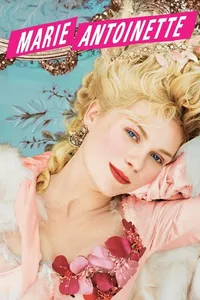
If only beheading complaining aristocrats were still in style.
Like Sophia Coppola’s previous films, “The Virgin Suicides” (message: no one understands how hard it is to be a pampered, gorgeous, blonde girl living in Michigan) and “Lost in Translation” (message: no one understands how hard it is to be a pampered, gorgeous, blonde girl vacationing in Japan), “Marie Antoinette” focuses on the misunderstood flouncings of someone who should really know better than to complain.
Marie Antoinette, played by an idly posh Kirsten Dunst, is delivered by cake-like coach from France to Austria as a 14-year-old for diplomatic reasons, like captive pandas required to mate. The French (much like the modern-day crowds who booed this film at Cannes) aren’t keen on her, nor is her betrothed, Louis XVI (played by Coppola’s cousin Jason Schwartzman, who took his acting cues from a moist valerian root).
Marie tries to woo her new husband, asking him, “So, I heard you make keys as a hobby?” “Yes,” he says. “You enjoy making keys?” she prods. “Obviously,” he snorts.
It takes approximately seven years for their relationship to progress from this to a smooch in bed. Over time, Marie snuggles in more and more to the riches of her position, gorging herself on champagne,
cheese, cakes, gambling, fancy gloves, diamond-studded fans, bright satin shoes, and Marge Simpson hairstyles studded with small boats and fake birds. She amasses a posse of posh pals and they party till dawn. Somewhere along the line, she and her hubby become king and queen, and she becomes an adulterer to the tunes of pampered rockers The Strokes. They pop out some questionably royal heirs, with whom she plays at fake naturalism in a custom built wee village on the castle grounds, like a modern day peanut-free play-school/baby hatha yoga mom.
For the target audience, youngish, Paris Hilton aspiring hipsters for whom real costume dramas send them into a torpor, this style of Marie Antoinette could not be more pitch-perfect in its blending of
historical costume drama (think corsets and horses) combined with modern music and lazy slang (I don’t think anyone ever said “yeah” in “Howard’s End.”) Honestly, who cares about the poor? The daughter of Hollywood royalty Francis Ford Coppola makes it all too clear that such matters are not only boring, but repulsive.
The director should listen closer to the lyrics of the songs she picked for her movie, especially the rambling “Natural’s Not In It” by Gang of Four: “The problem of leisure / What to do for pleasure …
Coercion of the senses … Sell out. Maintain the interest … This heaven gives me migraine.” The young Coppola’s style has always been one that shellacs over substance like lip gloss over an oozing canker sore, and beneath the transparent shell of Coppola’s oeuvre, the nepotistic nougat inside reeks with the ennui of a pampered rich girl. Underneath, it fails to resonate with all but the Louis Vuitton iPod case set. Underneath, it is a style that recalls the films of Leni Riefenstahl, who filmed the exquisite, stylistic documentary propaganda films for the Nazi party.
Contrast this with “Trainspotting” — the gut-wrenching classic about junkies that showed not only the deluded glamor of heroin addicts but also the filthy reality. The problem is not portraying a morally
bankrupt way of life. It’s that “Marie Antoinette” excuses it. Not until the final moments of the movie is the massed howling of the outraged mobs of France even heard from outside the castle walls. Not
until then does the queen grudgingly decide to stop buying diamonds, without mentioning the fact that the taxpayers, who subsidize those jewels, can’t buy food.
As is noted in the movie, the real Marie Antoinette probably never said, dismissing the peasants, that if they couldn’t buy bread, “let them eat cake.” But the subtext of the spoiled royal’s life was clear
— she might as well have suggested they eat another four-letter-word instead.
Ashley O’Dell reviews movies that aren’t in theaters anymore. She lives in North Hollywood, near the In-N-Out Burger.