Page One: Inside the New York Times
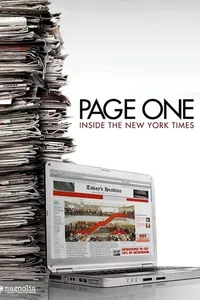
All right, it’s been four hours of procrastination, so I’ll just face it: I can not divest my own job from a viewing of “Page One: Inside the New York Times.” This movie is personal, deeply so. It’s about the much gabbed about so-called alleged death of journalism, and it’s kind of a knife in the gut, from the opening shot of the presses (the cherry on the top of the field trip before many newsrooms gave them up to consolidate) to the tears of the bought-out and the grim talks about “doing more with less,” a line delivered invariably by someone who looks like Tommy Kirk just before he has to shoot Old Yeller.There’s good recognition, too, the cheer to see the internal debates over important articles — where should this go? Why? What does it all mean? — which is where the really juicy stuff happens. Many people don’t really know how that works. They say “the media” and mean everyone from the sports reporter at the El Campo Leader-News to Bill O’Reilly. They don’t picture real people wondering when their industry will figure out how to make gobs of money again, and meanwhile dining daily on the kind of misery you expect to see on the floor of aclosing auto plant in Detroit, or a shuttering mine in San Nowhere, Arizona.But while “Page One” doesn’t feel like director Andrew Rossi had an agenda to push or a narrative to drive, such as “The New York Times is a Beacon of Goodness and Light” or “The New York Times is Satan on Newsprint,” it does feel like it was agreed to on a tacit gentleman’s agreement about, as media reporter and former crackhead David Carr might say, “corporate portraiture.” It’s an understanding that, when the head guy from Vicetalks about Vice’s video about cannibalism and beach-defecation in the 10-car insanity pileup that is Liberia and accuses the New York Times of writing about surfing in the meantime, and David Carr literally puts the guy on TIME OUT and bitingly defends the Times’ reporting of genocide (“Just because you put on a [expletive deleted] safari helmet and looked at some poop doesn’t give you the right to insult what we do”) that there will not be any kind of nod to the fact that, actually, with 1,250 people in its newsroom (73 times larger than the Las Cruces Sun-News, for comparison) the New York Times does simultaneously specialize in writing brave and necessary world coverage and also astonishingly shallow vacay and trend pieces that seem to be aiming for a demographic of Ivy League graduates who want to be Paris Hilton when they grow up.That’s what bothers me about the New York Times, not the fact that, in one decade, one lazy reporter plagiarized articles and another acted as an unquestioning stenographer for the Bush administration’s bad Iraq intelligence. Given the thousands of other people who did their jobs without major ethical lapses, those are statistical anomalies.
What isn’t an anomaly is the moneyed leisure reporting, the 48-hour getaways that cost $20,000 (I added one up once, conservatively estimating the prices that weren’t listing) or the sneering isn’t-it-precious profile of, say, some provincial Whole Foods-less backwater like Stonington, Maine, where they race lobster boats, if you can believe it. Combine that with an environment where reporter Brian Stelter is held in reverent, slightly confused awe because he has two computers on his desk and can switch between the two to do different things, and the Times seems painfully like some aging Baby Boomer singing along to the “Jersey Shore” theme song. Not one of the pedigreed employees pontificating genteelly about The Future of It All says anything that could possibly sting the New York Times. No one says “Hey, you know those 30 bogus trend stories of ours Slate.com hasbeen bashing us for? I think they’re onto something. Why are we sending two reporters to write about the phony increase in people eating salad for breakfast? Why are we sending any?”
Yes, Michael Wolff looks like a crumb-dribbling Topix power-user when he snarks emptily that “the news business in this country is nothing to be proud of.” But “Page One,” and I think the Times itself, both look a littlefoolish with this armored glimpse at the Times, the “1%” of newspapers (find me more than a handful of other newspapers in this country where reporters get three weeks for one article).
They had a chance to talk about some painful truths — like what the paper’s real business model is, Albany government watchdoggism or glorified narrative advertisements to put on your registry, if you happen to be cool enough to be on the Celebrations page. Perhaps the fact that nobody went there means all parties concerned thought that would be too risky, which would truly be a testament to the state of things.
Ashley O’Dell reviews movies that aren’t in theaters anymore.