War, Inc
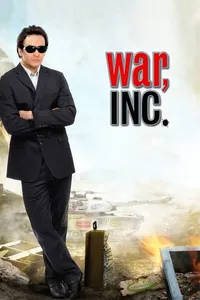
In “War, Inc.,” Brand Hauser (played by John Cusack) is a jaded killer whose vices are nostalgia for his murdered wife and kidnapped daughter … and little bottles of hot sauce. As an undercover assassin for the Halliburton-like Tamerlane company, which is orchestrating a war on the fictional Turaqistan, Hauser’s only confidante is the voice on the other end of the GuideStar GPS system in his Humvee, voiced by the emotive Montel Williams.
Reprising the spirit of his heartbroken, black-clad assassin from “Grosse Point Blank,” Cusack doesn’t bring anything new — but he doesn’t need to. Cusack’s deadpan, thousand-yard stare, keep-it-all-bottled-up smart alec in this film could even be an odd sequel to “High Fidelity.” It wouldn’t seem too out of place for Hauser to look at the camera and say, “OK, top five assassin’s weapons. Beretta 418. Powdered diamond, sprinkled in the soup. Single-action Colt .45. Champion speargun. And the Walther PPK.”
Outside Cusack’s hurting head, the world has descended into that mix of tragedy and comic absurdity that permeated Terry Gilliam’s movie “Brazil.” Gilliam called it “cinematic rape,” that pendulum between the high and low, and there’s plenty of that in “War, Inc.” Security announcements warn “all unattended cars will be crushed and incinerated.” Journalists unable to escape the “Emerald City” green zone must suffice with an “implanted journalist experience” ride.
The biggest weakness concerns one of those “implanted journalists,” leading lady Natalie Hegalhuzen (played by Marisa Tomei). On the military-industrial complex, commercialization and the sadnesses of men, “War, Inc.” is spot-on. Even Hilary Duff’s medjool minx Yonica Babyyeah is a fittingly over-the-top Borat-esque caricature. But the movie flops into sit-com realm when it comes to regular women.
Relationships are constantly in danger of getting derailed because of simple misunderstandings, judo chopping a house full of evil intruders will most likely result in her disgust and stomping off in a huff, and women’s career advancement comes only by sparking sexual desire in sources, subjects and bosses. Natalie’s voicemail even purrs, “I’m either out unmasking corporate greed or washing my hair.” Tomei looks especially Leah Remini-like next to the always screamy and lovable Joan Cusack, a Tamerlane corporate tool who alternately gushes about “the redemptive power of hedge fund derivatives” and the chorus line she’s set up, made of Turaqi war amputees showing off their new prosthetics.
On its opening weekend in New York and L.A., John Cusack told AntiWar.com, “I don’t really want to tell that many people to go to hell. But war profiteers, who then come back and then deny the GI Bill of Rights to the real soldiers? I can wake up in the morning every day, look in mirror and tell those people to go to hell.”
The material is dizzying and so unmined that “War, Inc.” could have easily, with enough money and energy, have been one of cable’s new classics, like “The Sopranos” or “Mad Men.” Sadly but not surprisingly, “War, Inc.” got under so many people’s skin that it was only screened in 30 theaters. Satirizing the full privatization of war in the middle of a half-privatized war? Too soon! they cried. Too uncomfortable! As though it were acceptable to let our military and their civilians be the only ones to confront it. Cusack said it the best: “I think you should feel uncomfortable about all this.”
Ashley O’Dell writes about movies that aren’t in theaters anymore.